Everyone Wants Tradespeople — So Why Are Apprenticeship Seats Still Empty?
Here's a puzzle that should keep workforce economists up at night. Electricians in major US metros are pulling in six-figure salaries. Plumbers are booked out for weeks. HVAC techs are fielding multiple job offers before they even finish their apprenticeships. And yet, programs designed to train the next generation of these workers are routinely running below capacity.
It doesn't add up — until you start looking at the forces working against enrollment that have nothing to do with wages or opportunity.
The Stigma That Refuses to Die
Ask most parents what they want for their kids after high school, and "apprentice pipefitter" rarely makes the list. That's not an accident. For decades, the American education system has been quietly — and sometimes not so quietly — telling students that a four-year college degree is the only respectable path forward. Guidance counselors steered toward SAT prep. School budgets gutted shop class. The message was consistent: hands-on work is a fallback, not a first choice.
That cultural script is stubborn. Even as student loan debt has ballooned past $1.7 trillion and college graduation rates hover around 60%, the idea that skipping a traditional degree means settling for less still lingers in a lot of households. Young people absorb those attitudes early, and by the time they're making real decisions about their futures, many have already mentally ruled out the trades without ever seriously looking at what those careers actually offer.
The irony is brutal. A 22-year-old finishing a plumbing apprenticeship can be earning $60,000 to $75,000 a year with zero debt, while their college peer is entering the workforce with $37,000 in loans and a job that may or may not use their degree. The math isn't close. But math doesn't always win against years of cultural messaging.
The "Dirty Work" Myth
Another barrier that keeps showing up in enrollment data is the perception of physical labor itself. There's a persistent image of trades work as grueling, hard on the body, and lacking any kind of intellectual engagement. That image is outdated at best and flat-out wrong at worst.
Modern skilled trades are increasingly technical. An HVAC technician today is reading system diagnostics, programming smart thermostats, and troubleshooting complex refrigerant systems. Electricians working on commercial projects deal with intricate load calculations and increasingly with solar and battery storage integration. Industrial maintenance technicians blend mechanical knowledge with programmable logic controllers and automation systems. This is not the "dig a ditch" version of blue-collar work that lives in people's heads.
Is it physically demanding? Yes, in many cases. But so is nursing. So is restaurant work. So is package delivery. The trades don't have a monopoly on physical effort, yet they carry a disproportionate amount of the stigma around it.
The Awareness Gap Is Real
Some of the enrollment problem is simpler than psychology — people genuinely don't know how to get started. The pathway into a four-year college is heavily mapped out. There are standardized tests, application portals, financial aid systems, campus visits, and entire industries built around guiding students through the process.
Apprenticeship? Not so much. Finding a registered apprenticeship program, understanding the difference between union and non-union paths, knowing what to expect from the application process, figuring out which trades are hiring in your region — all of that requires a level of self-directed research that a lot of 18-year-olds simply aren't equipped to do without help.
The US Department of Labor's Apprenticeship.gov database is a useful resource, but it's not exactly intuitive for someone who doesn't already know what they're looking for. Trade associations, union halls, and employer groups have been trying to fill the gap, but their outreach hasn't kept pace with the scale of the problem.
What's Actually Working
The good news is that some programs and employers have stopped waiting for culture to catch up and started getting creative about recruitment.
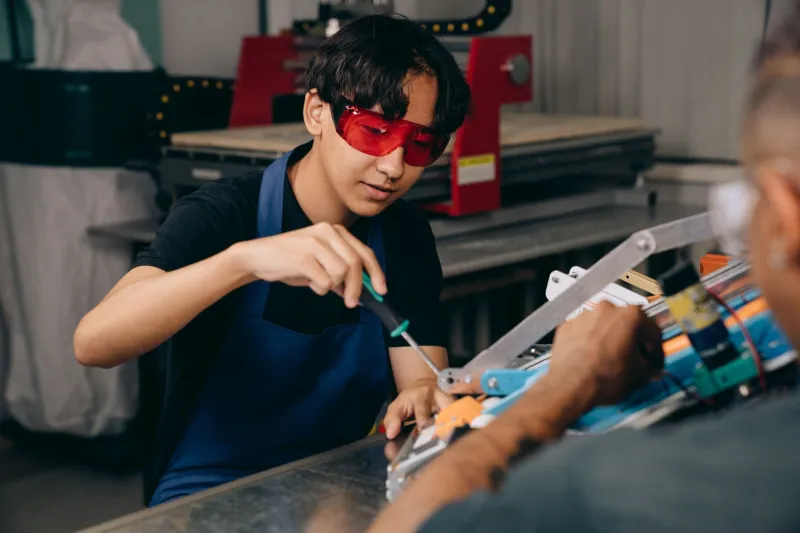
Pre-apprenticeship programs aimed at high school students have gained real traction in states like Wisconsin, Texas, and Colorado. These programs let teenagers get hands-on exposure to trade work before committing to a full apprenticeship path — and the results have been promising. Students who would never have considered a trade career are finishing pre-apprenticeship stints and signing on for the full program.
Some employers have gotten smarter about where and how they recruit. Jobsite tours, trade fairs at community colleges, and partnerships with workforce development nonprofits are replacing the old model of posting a flyer and hoping someone shows up. A few forward-thinking contractors have started showing up on social media in a real way — not just posting job listings, but showing what the actual day-to-day looks like on the job. Authenticity cuts through in ways that polished brochures never could.
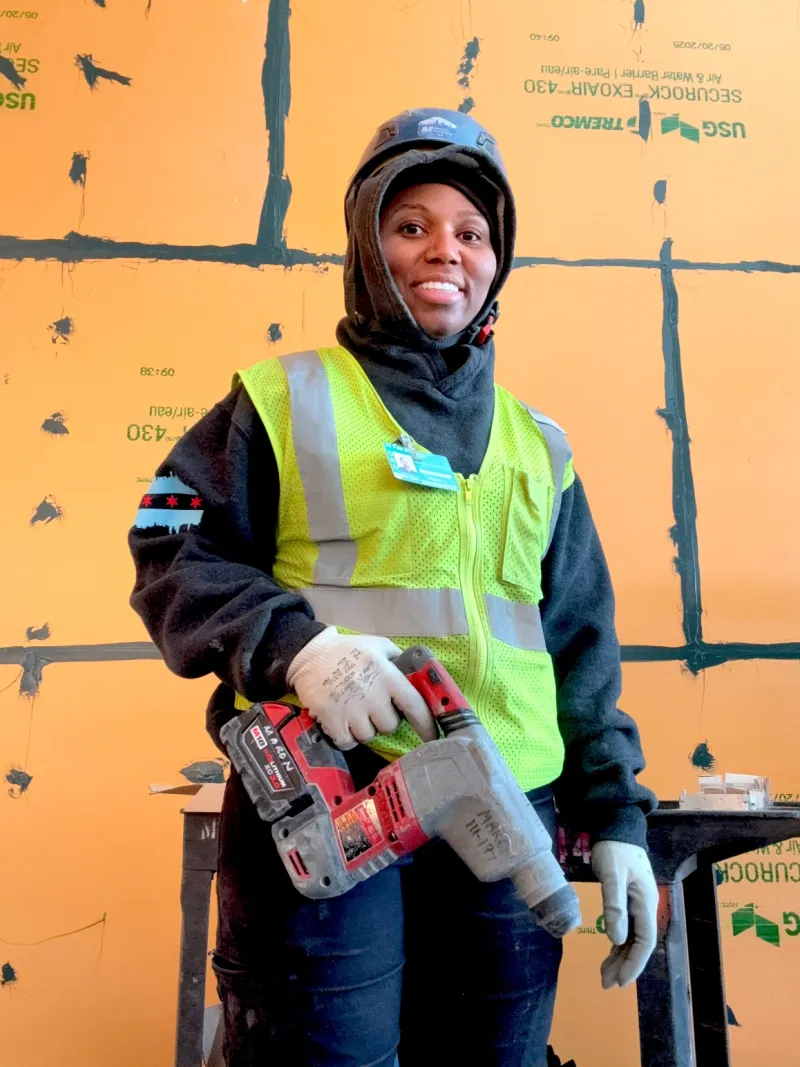
Union apprenticeship programs have also been working to address demographic gaps. Outreach efforts targeting women and underrepresented communities have expanded significantly, recognizing that the talent pool has always been bigger than the industry was reaching. Organizations like Nontraditional Employment for Women (NEW) and various local union initiatives have helped bring in candidates who historically had no idea these opportunities existed.
The Retention Problem Nobody Talks About
Enrollment is only half the equation. Completion rates for registered apprenticeships in the US average around 55%, which means a significant chunk of the people who do sign up don't finish. Understanding why is crucial.
For some, the challenge is financial — early apprenticeship wages, while competitive with entry-level work elsewhere, can be tight if someone has dependents or significant existing debt. Others struggle with the combination of working full-time and attending related technical instruction, which is required in most registered programs. And some apprentices encounter jobsite cultures that aren't welcoming, particularly women and workers of color.
Programs that have invested in mentorship, wraparound support services, and intentional culture-building on the jobsite are seeing meaningfully better completion rates. The ones that treat apprentices as disposable cheap labor until they prove themselves tend to lose people early.
The Bigger Picture
The apprenticeship enrollment paradox is ultimately a story about a mismatch — between where the opportunity actually is and where people have been told to look for it. Closing that gap requires honest conversations in schools, at home, and in communities about what a successful career can look like.
The trades built this country's infrastructure. They keep the lights on, the pipes flowing, and the buildings standing. The workers who do that deserve respect — and the young people who could be building those careers deserve accurate information about what they'd be walking into.
At Apprent-E, we think the answer starts with better access to real information. Because once people actually see what's on the table, a lot more of them would choose to pull up a chair.