Hard Hats and High Followers: How Young Tradespeople Are Turning Jobsites Into Content Gold
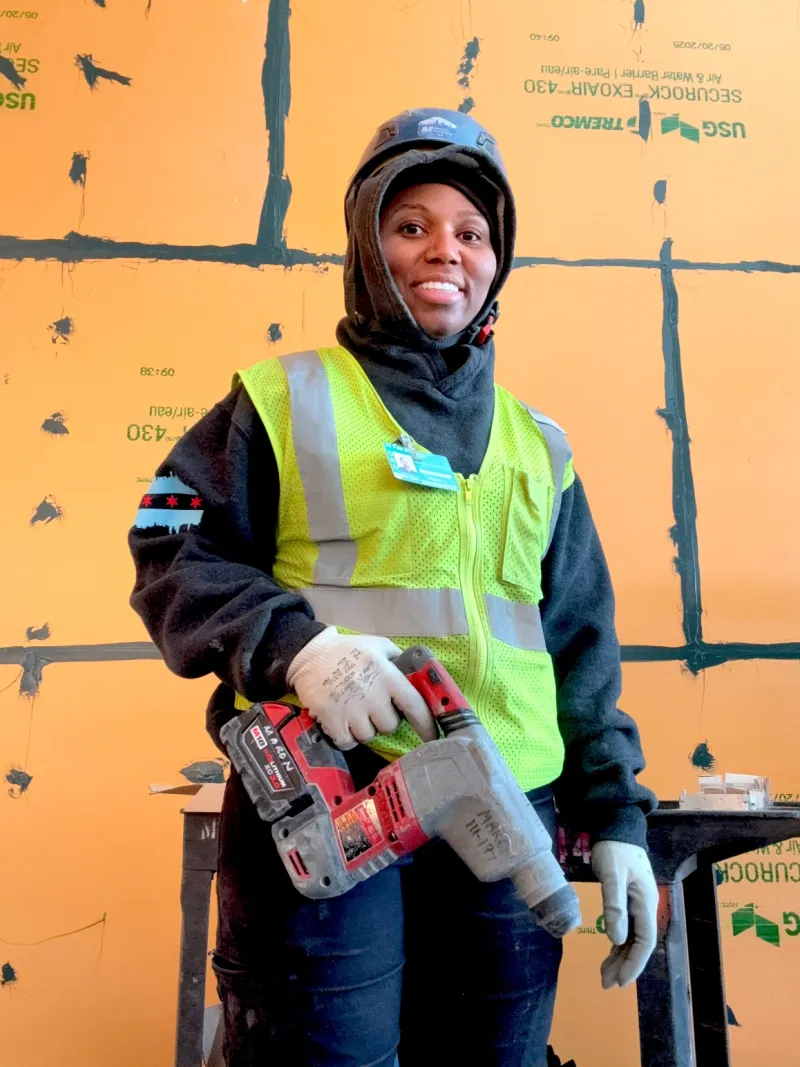
Photo: young woman electrician apprentice filming herself on job site with phone, via cwit.org
Scroll through TikTok on any given afternoon and you'll find a 22-year-old in a hard hat walking you through the wiring of a commercial panel, a 19-year-old showing off the bathroom tile work she just finished, or a third-year HVAC apprentice breaking down his weekly paycheck — overtime included. These aren't corporate recruitment videos. They're real people, living real careers, and they're changing how an entire generation thinks about what success looks like after high school.
Gen Z didn't invent skilled trades, obviously. But they might be the generation that saves the industry's reputation.
The Stereotype Problem the Trades Have Always Had
For decades, vocational and trade careers got quietly sidelined in American schools. Guidance counselors steered students toward four-year colleges. Shop class disappeared from curricula. The cultural message was pretty consistent: college equals success, anything else equals settling.
That narrative did real damage. It convinced a generation of young people — and their parents — that becoming an electrician or a welder was a backup plan, not a deliberate choice. The result? A massive skilled worker shortage that's only getting worse, and a whole lot of college graduates with degrees they don't use and debt they definitely have.
But here's the thing about Gen Z: they grew up watching that story play out for the millennials ahead of them. They saw the debt. They saw the degree-holders working jobs that didn't require a diploma. And a meaningful chunk of them decided to do the math differently.
When the Algorithm Meets the Job Site
Social media didn't just give young tradespeople a platform — it gave them an audience that was hungry for something real. In a feed full of influencers selling supplements and lifestyle content, a video of someone actually building something with their hands hits differently.
Creators in the trades have figured out that authenticity is their biggest asset. A time-lapse of a concrete pour, a satisfying before-and-after of a bathroom remodel, a candid breakdown of what it's actually like to start an apprenticeship at 18 — this content performs because it's genuine and because it answers questions that a lot of young people are quietly asking.
"Is there another path?" "Can I make real money without a degree?" "What does a career in the trades actually look like day to day?"
The creators answering those questions are racking up followers in the hundreds of thousands. And more importantly, they're changing minds.
Real People, Real Paychecks, Real Stories
Across platforms like TikTok, Instagram, and YouTube, a loose community of young trade workers has emerged — sometimes called "TradesTok" — where apprentices and journeymen document everything from their first day on a job site to buying their first house on a plumber's salary.
These creators aren't just showing off their work (though a perfectly soldered copper joint is genuinely satisfying to watch). They're also getting specific about money in a way that older generations rarely did publicly. Videos breaking down apprentice pay scales, explaining how union benefits work, or comparing a journeyman electrician's salary to an entry-level office job with a bachelor's degree have gone massively viral — and for good reason. The numbers are eye-opening.
A licensed plumber in a high-demand metro area can clear six figures. An HVAC technician with a few years of experience often earns more than teachers, paralegals, and plenty of other white-collar workers. When a 24-year-old posts his W-2 on TikTok — no student loans, solid retirement contributions through his union, and a truck his employer helps maintain — the comment sections light up.
Changing the Look of the Industry
One of the quieter shifts happening through social media is who's showing up on screen. Young women in the trades, Black and Latino apprentices, first-generation Americans learning skilled crafts — these creators are expanding what people picture when they imagine a plumber or an ironworker. Representation matters, and the organic, creator-driven nature of trade content means these voices are coming through without a corporate filter.
For young people who never saw themselves reflected in the traditional image of a tradesperson, watching someone who looks like them crush a tile installation or wire a smart home system is genuinely compelling. It's the kind of inspiration that a brochure from a vocational school just can't replicate.
What This Means for the Industry's Future
The ripple effects are already showing up in enrollment numbers. Pre-apprenticeship programs, union apprenticeship applications, and vocational school registrations have all seen upticks in recent years, particularly among younger applicants. Industry groups and contractors have started paying attention to social media not just as a marketing tool but as a genuine recruitment pipeline.
Some apprenticeship programs are even leaning into it — encouraging current apprentices to share their experiences online, partnering with trade content creators for outreach, and updating their digital presence to meet Gen Z where they actually spend time.
At Apprent-E, we see this shift as one of the most exciting things happening in workforce development right now. The trades have always offered something genuinely valuable: real skills, real independence, and a career you build with your own two hands. It just took a generation of digital natives with a knack for storytelling to remind everyone of that.
If you've been watching those videos and wondering whether a trade apprenticeship might be the right move for you, that feeling is worth following. The path exists. The opportunities are real. And there's a whole community of people already out there showing you exactly what it looks like.