Your Kid Chose a Trade — Now What? A Parent's Honest Guide to Getting on Board

You probably had a plan in your head. College applications, dorm shopping, maybe a graduation photo in front of some ivy-covered building. Then your kid sat you down and said they wanted to become an electrician. Or a plumber. Or a welder.
And now you're here, Googling things like "what even is an apprenticeship" at 11pm, wondering if you should be worried.
First: take a breath. Your kid made a smart call. Skilled trades are in massive demand across the country, the pay is genuinely competitive, and apprentices often finish their training debt-free while their college-bound peers are just getting started. The path looks different from what you imagined — but different doesn't mean worse.
Still, being a supportive parent when you don't speak the language of the trades is its own kind of challenge. Here's how to do it well.
Understand What an Apprenticeship Actually Is
A lot of parents picture vocational training as something from a different era — shop class, maybe, or a trade school with flickering fluorescent lights. The reality in 2024 is a whole lot more structured.
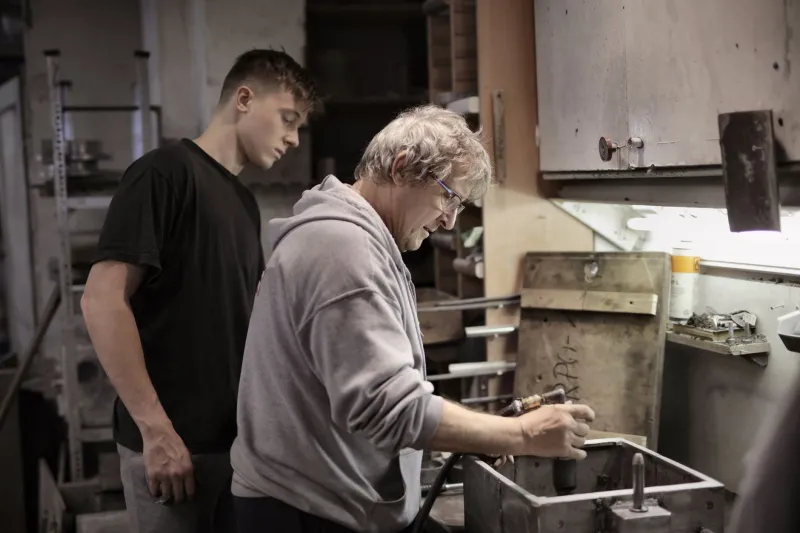
Registered apprenticeships in the U.S. are formal programs, often overseen by the Department of Labor, that combine paid on-the-job training with classroom instruction. Your kid isn't just following someone around with a toolbox — they're earning wages, building toward industry credentials, and working under licensed journeypeople who are legally responsible for their safety and development.
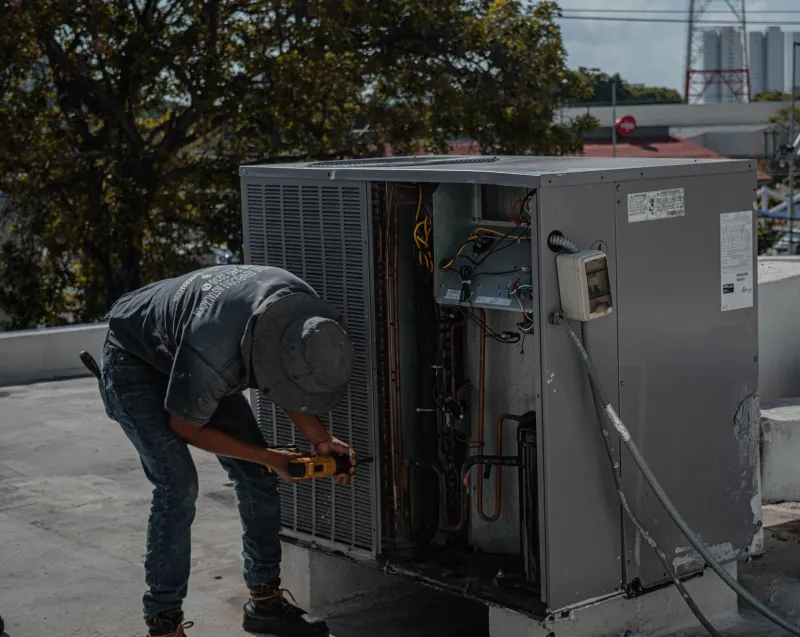
Programs typically run anywhere from one to five years depending on the trade. Electricians, for example, usually go through a five-year program. HVAC technicians might complete theirs in three. At the end, your kid walks away with a journeyman's license and real, marketable skills.
Knowing this matters because it reframes the whole thing. This isn't a backup plan. It's a career pipeline with structure, oversight, and a clear finish line.
Let Go of the College Comparison Trap
Here's where a lot of parents trip up: they keep measuring their child's apprenticeship against a four-year degree. It's an easy habit to fall into, especially if most of your social circle went the college route.
But the comparison isn't apples to apples. An apprentice is earning money from day one. A college student is spending it. By the time a college grad is walking across a stage with a diploma and $30,000 (or more) in student loans, your apprentice kid might already be two years into journeyman wages — which in many trades can clear $60,000 to $80,000 annually in plenty of U.S. markets, and significantly more in high-cost cities.
This doesn't mean college is wrong for everyone. It just means the trades deserve to be evaluated on their own terms, not as a consolation prize.
If you catch yourself downplaying your child's path at family dinners or feeling vaguely embarrassed when someone asks where they're going to school — notice that. Work through it. Your kid will feel your ambivalence, and it'll matter more than you think.
Learn Enough to Have Real Conversations
You don't need to become a master electrician yourself. But making the effort to learn a little about your child's specific trade goes a long way.
Ask them to explain what they worked on this week. Look up what a journeyman license means in their state. Find out what the union structure looks like if they're in a union program, or who their employer sponsor is if they're not. When they mention terms you don't recognize — conduit, rough-in, torque specs, whatever — ask what it means instead of nodding along.
This kind of curiosity signals something important: that you take their work seriously. Trades culture places a high value on competence and respect. When your kid sees that you're genuinely interested, not just tolerating their choice, it strengthens the relationship and their confidence.
Understand the Safety Culture Before You Freak Out
One of the biggest sources of parental anxiety around trades is safety. Electrical work, roofing, pipefitting, ironworking — these jobs carry real physical risk, and it's completely natural to worry.
What helps is understanding that licensed apprenticeship programs take safety seriously. OSHA training is typically baked into the curriculum. Apprentices are not supposed to be doing hazardous work unsupervised. Worksites are regulated. Your child's employer and their journeyman supervisor are accountable for following those rules.
That said, jobsite culture is real, and it can sometimes push against caution. One of the most useful things you can do is have a calm, non-dramatic conversation with your kid early on: remind them that no job is worth a serious injury, that speaking up about unsafe conditions is a sign of professionalism, not weakness, and that their long-term career depends on making it home in one piece every day.
You're not being a helicopter parent by having that conversation once. You are being one if you call their foreman every time they come home with a bruised knuckle.
Respect the Timeline — It's Not Linear
Apprenticeship progress doesn't always look like a straight line. There will be rotations between different job sites, periods of slower learning, and moments where your kid comes home frustrated or questioning everything. That's normal.
Some apprentices hit a wall in year two. Some struggle with the classroom component. Some find that the trade they started in isn't quite the right fit and pivot to something adjacent. None of that means they're failing.
Resist the urge to push for a concrete five-year plan every time things feel uncertain. The trades have a way of sorting themselves out for people who stick with them. Your job is to be steady, not to project-manage their career.
Know When They Need Advice vs. When They Need a Meal
Here's something experienced trade workers will tell you: the first year or two is physically exhausting in a way most office jobs never are. Your kid is on their feet all day, often outdoors, carrying tools and materials, learning by doing in a way that leaves them genuinely wiped out by evening.
Sometimes the most supportive thing you can do has nothing to do with career advice. It's a hot meal. It's not peppering them with questions on a Friday night when they're running on fumes. It's being the soft landing at home while they build something hard and real out in the world.
Being a good parent to an apprentice isn't about understanding every wire gauge or pipe fitting. It's about trusting your kid's judgment, doing your homework, and showing up with the kind of quiet, consistent support that lets them keep going on the tough days.
They chose to build their future with their hands. The least you can do is hold the door open.