Pick the Right Trade, Build the Right Future: A Real-World Earnings Guide to Apprenticeships
Not every apprenticeship is created equal. That's not a knock on any particular trade — it's just the reality of a labor market where regional demand, licensing complexity, union density, and specialization all factor into what you'll actually take home. If you're serious about using a trade career to hit specific financial goals, doing a little homework upfront can make a massive difference over the course of a career.
Let's break it down by the trades most people are actually considering — and be honest about what each path looks like on the other side.
Electricians: High Ceiling, High Demand
If you're optimizing purely for earning potential, electrical is hard to beat. According to the Bureau of Labor Statistics, the median annual wage for electricians sits around $61,000 nationally — but that number significantly undersells what's available to journeymen in strong union markets or workers who move into commercial and industrial specializations.
In metro areas like San Francisco, New York, Chicago, and Seattle, experienced union electricians regularly earn $90,000 to $120,000 or more when overtime and benefits are factored in. The apprenticeship itself typically runs four to five years through programs like IBEW (International Brotherhood of Electrical Workers), and apprentice wages start around 40-50% of journeyman scale — which still beats most entry-level office jobs.
Licensing requirements vary by state, so check your state's specific rules, but virtually every state requires a journeyman license to work independently and a master license to pull permits. The upside: that licensing structure creates a real earnings ladder with clear benchmarks.
Job outlook is strong and getting stronger. The push toward EV infrastructure, solar installation, and building electrification means electrical work isn't going anywhere — it's expanding.
Best fit if: You're comfortable working in tight spaces, want strong union representation options, and are willing to invest five years in a structured program for long-term payoff.
Plumbing: Steady Money, Essential Work
Plumbers often get overlooked in earnings conversations, which is a mistake. The median wage nationally is around $60,000, but licensed master plumbers in commercial construction or who own their own businesses frequently clear six figures. Plumbing is also one of the more recession-resistant trades — people need functioning pipes regardless of what the economy is doing.
Apprenticeship programs typically run four to five years and combine on-the-job training with classroom instruction covering pipe systems, codes, and blueprint reading. UA (United Association) runs some of the most well-regarded union plumbing programs in the country, and many non-union contractors offer competitive training programs as well.
One thing to know going in: plumbing licensing is highly localized. Some states have statewide licensing systems; others defer entirely to city or county requirements. If you're thinking about moving around during your career, it's worth understanding how portable your license will be.
Best fit if: You like problem-solving, don't mind variable work environments (residential to large commercial), and want a trade with consistent demand regardless of economic cycles.
HVAC: The Tech-Forward Trade
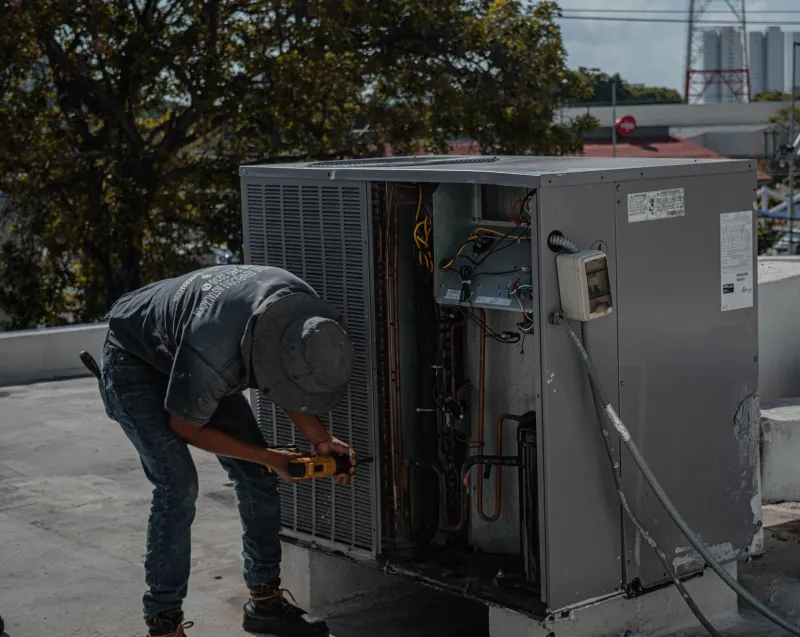
Heating, ventilation, and air conditioning might be the trade most quietly transforming right now. Climate pressures, building efficiency mandates, and the explosion of smart home technology have turned HVAC work into something genuinely technical — and the pay is catching up.
Median wages sit around $57,000 nationally, but HVAC technicians with refrigeration certifications, commercial experience, or specialization in building automation systems can push well past $75,000 in high-demand markets. The EPA Section 608 certification required for refrigerant handling is a federal requirement, and additional certifications from NATE (North American Technician Excellence) meaningfully boost both credibility and compensation.
Apprenticeship programs vary more in HVAC than in electrical or plumbing — some run through SMART (Sheet Metal Workers union), others through employer-based programs or community college partnerships. The path is less standardized, which means more due diligence on your part when evaluating programs.
Geographically, Sun Belt states (Texas, Florida, Arizona, the Carolinas) are particularly hot markets given climate conditions and ongoing population growth driving new construction and replacement demand.
Best fit if: You're drawn to technical problem-solving, interested in the intersection of mechanical and digital systems, and open to a career that keeps evolving as building technology changes.
Carpentry: Range and Versatility
Carpentry is one of the broadest trades, and that breadth cuts both ways. Finish carpenters doing custom millwork and cabinetry can command premium rates. Rough framers working residential construction face more wage pressure and more exposure to housing market cycles. The difference in long-term earnings between specializations is significant.
Nationally, the median carpentry wage is around $53,000 — lower than electricians and plumbers — but that figure masks wide variation. Union carpenters in commercial construction, particularly those specializing in concrete formwork or interior systems, often earn considerably more. The UBC (United Brotherhood of Carpenters) runs apprenticeship programs in most major markets.
For carpenters, geographic mobility matters a lot. Markets with heavy commercial construction activity (major metros, growth corridors in the Southeast and Southwest) offer better wages and more consistent work than areas with limited new development.
Best fit if: You're drawn to the craft side of building, want flexibility across residential and commercial work, and are willing to specialize strategically to maximize earnings.
Emerging Trades: The New Frontier
Beyond the traditional big four, a handful of emerging specializations deserve serious attention from anyone mapping out a trade career in 2024 and beyond.
Solar installation is growing fast — the BLS projects 52% job growth over the next decade, which is extraordinary. Median wages are still catching up, but the trajectory is strong and the work increasingly requires electrical knowledge that commands higher rates.
Industrial maintenance and mechatronics — technicians who maintain automated manufacturing equipment — represent some of the best-paying non-supervisory trade work available. Median wages frequently exceed $65,000, and the skills gap in this area is severe, giving workers real leverage.
Pipefitting and steamfitting, closely related to plumbing but focused on industrial and commercial systems, consistently rank among the highest-paid trade apprenticeships, with journeyman wages in strong union markets rivaling electrical.
How to Actually Choose
Here's a practical framework. Before committing to any apprenticeship path, answer these four questions honestly:
-
What does the job market look like in my region? National averages only tell part of the story. Research what journeymen in your specific metro or state are actually earning, and which trades have the longest backlog of work.
-
Union or open shop? Union apprenticeships typically offer stronger wage scales, better benefits, and more structured training — but they also require joining the union and may have more competitive application processes. Non-union programs can be excellent, but quality varies more widely.
-
What's the licensing path? Understand upfront how many years and what certifications stand between you and full journeyman status. Some trades have clearer paths than others.
-
Where do I want to be in 10 years? If owning a business is the goal, master licensing and business fundamentals matter. If you want to maximize W-2 earnings as a journeyman, union scale and overtime potential matter more.
The Bottom Line
Three to five years is a real investment of time. But for someone who picks the right trade for the right market and puts in the work to finish a quality apprenticeship, the financial outcome — no student debt, strong wages, portable skills, and genuine job security — is genuinely competitive with most college-degree career paths.
The key is going in with eyes open. Use resources like Apprenticeship.gov, your state's labor department website, and platforms like Apprent-E to find registered programs, compare opportunities, and connect with employers who are actively building their next generation of skilled workers.
Your future is out there. It just might be wearing a hard hat.