America Is Running Out of Skilled Workers — And It's About to Get a Lot Worse
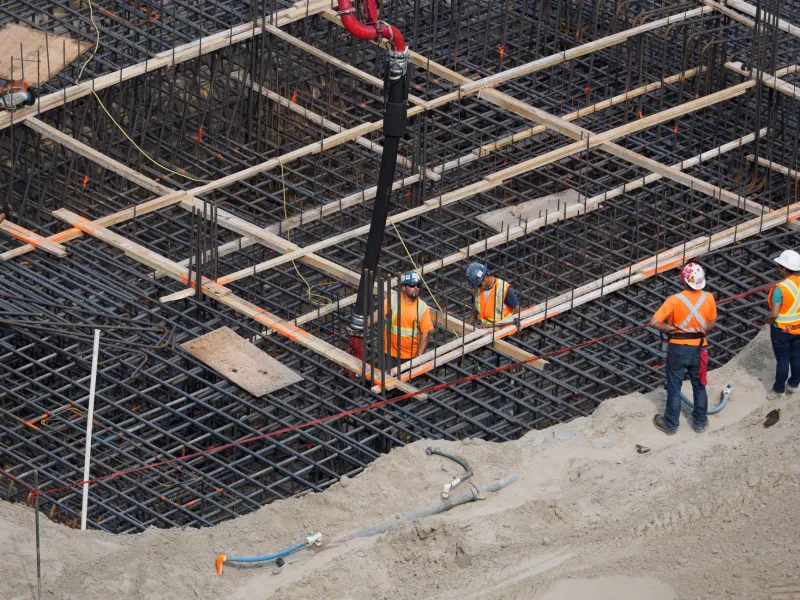
Somewhere in America right now, a family is waiting three weeks for a plumber. A hospital construction project is behind schedule because there aren't enough ironworkers. A homeowner just got a quote for electrical work that's double what it would've been five years ago — not because of materials, but because there simply aren't enough licensed electricians to go around.
This is the skills crisis. And it's not coming. It's already here.
The Numbers Are Genuinely Alarming
Let's start with the raw data, because the scale of this thing deserves to be stated plainly.
The construction industry alone is projected to need 546,000 additional workers above its current pace of hiring just to meet 2024 demand, according to Associated Builders and Contractors. The National Electrical Contractors Association estimates a shortage of roughly 80,000 electricians nationwide — a number that's expected to grow as the push for EV infrastructure, solar installation, and grid modernization accelerates. The plumbing and HVAC sectors are facing similar crunches, with ACCA (Air Conditioning Contractors of America) warning that the HVAC workforce needs to nearly double over the next decade to meet demand.
And here's the part that keeps industry leaders up at night: the average age of a skilled tradesperson in the US is 43. A massive wave of experienced workers is heading toward retirement, and there aren't nearly enough young people entering the pipeline to replace them.
How Did We Get Here?
This didn't happen overnight. For the better part of three decades, American schools systematically dismantled vocational education programs in favor of funneling every student toward a four-year college path. Shop classes disappeared. Vo-tech programs were defunded. Guidance counselors — often with the best intentions — told generations of students that a trade was what you chose if college wasn't in the cards.
The message was loud and consistent: college equals success. Trades equal fallback.
That messaging was wrong, and we're all paying for it now — sometimes literally. A 2023 report from Angi (formerly Angie's List) found that the cost of hiring skilled tradespeople has increased by an average of 28% since 2020, driven almost entirely by labor scarcity. When supply shrinks and demand grows, prices climb. That's not an economic theory. That's your next plumbing bill.
This Isn't Just a Construction Problem
It's tempting to frame the trades shortage as a niche industry headache. It's not. The ripple effects touch nearly every American.
The US has set ambitious goals for infrastructure investment under the Bipartisan Infrastructure Law — $1.2 trillion earmarked for roads, bridges, broadband, and clean energy. But that money can only build things if there are skilled workers to build them. Right now, the workforce isn't there. The Associated General Contractors of America has repeatedly warned Congress that funding without workforce development is essentially writing checks that can't be cashed.
The housing shortage — a crisis of its own — is being made dramatically worse by the lack of skilled construction workers. Homebuilders can't meet demand not just because of land and zoning issues, but because the carpenters, electricians, and plumbers needed to construct new homes are in critically short supply. Less housing supply means higher prices. Higher prices mean more Americans priced out of homeownership.
And as the country accelerates its shift toward renewable energy, the need for electricians, solar installers, and energy efficiency technicians is exploding at exactly the moment the workforce pipeline is at its thinnest.
The Trades Aren't Settling — They're Solving
Here's the reframe that matters: if you enter a skilled trade right now, you're not taking a consolation path. You're stepping into one of the most economically critical roles in the country.
Think about what a master electrician actually does. They wire the hospitals that keep people alive. They install the EV charging infrastructure that powers the next generation of transportation. They maintain the data centers that run the cloud services every business depends on. This is not background work. This is foundational, irreplaceable, essential work.
The same goes for plumbers keeping water systems safe and functional, HVAC technicians maintaining air quality in schools and office buildings, and pipefitters enabling the industrial processes that manufacture everything from pharmaceuticals to food.
These aren't jobs that can be outsourced. They can't be done remotely. They can't be automated away anytime soon. And they can't be performed by someone who skipped the training.
Why Apprenticeships Are the Answer
The most effective, proven model for closing this gap is the registered apprenticeship — a structured, earn-while-you-learn pathway that produces certified, job-ready tradespeople. The US Department of Labor's Registered Apprenticeship program has a 94% job placement rate upon completion. Apprentices graduate with industry-recognized credentials, real-world experience, and — critically — no student debt.
But enrollment in these programs hasn't kept pace with demand. There are roughly 593,000 active apprentices in the US, according to DOL data. Experts argue that number needs to triple or quadruple to meaningfully address the shortage.
Platforms like Apprent-E exist precisely to close that gap — making it simpler for job seekers to find legitimate, registered programs in their region and their trade of interest, and helping employers connect with motivated candidates who are ready to get to work.
The Story We Need to Start Telling
The skills crisis is, at its core, a perception crisis. We've spent decades telling young people — especially those from communities that could benefit most from well-paying, stable careers — that trades are lesser. That narrative has real consequences, and those consequences are now showing up in construction delays, rising costs, and a workforce that's aging out faster than it's being replaced.
Changing that story doesn't require a massive policy overhaul (though better policy would help). It starts with being honest about what skilled trades actually offer: strong wages, job security, genuine purpose, and the kind of recession resistance that comes from doing work that physically cannot be eliminated.
The country needs more electricians, plumbers, pipefitters, HVAC technicians, and ironworkers. Not as a last resort. Not as a plan B. As a deliberate, strategic choice made by smart people who looked at the landscape and decided they wanted to build something real.
America needs your hands. And right now, there's never been a better time to answer that call.